
Agentic AI: Enterprise Architecture’s Shift from Control to Context
Imagine enterprise systems that do more than wait for instructions. They anticipate needs, weigh options, and act independently while staying aligned with business strategy. This is not science fiction. In 2026, agentic AI is becoming a reality within large organizations and is forcing Enterprise Architecture (EA) to evolve rapidly.
For decades, EA has been about control. Architects documented systems, enforced standards, and reviewed changes before anything moved forward. That model made sense in a slower world. Today, change is constant. Decisions are continuous. Software is no longer just executing tasks. It is making them. Agentic AI accelerates this shift and pushes Enterprise Architecture from a static blueprint toward a living, contextual capability.
What agentic AI really means
Agentic AI goes beyond chatbots, copilots, or code suggestions. These systems are designed to pursue goals independently. They observe real-time context, choose actions, execute them, and learn from outcomes with minimal human input.
Unlike traditional automation that follows fixed rules or assistive AI that waits for prompts, agentic AI operates continuously. An agent can onboard a customer, assess compliance risk, or reroute a process in seconds. It does not just recommend actions. It decides and acts.
This level of autonomy changes the role of software in the enterprise. Tools are no longer passive. They become active participants in how work gets done.
Why traditional architecture breaks down
Classic Enterprise Architecture was built for stability. Architects modeled applications, reviewed designs, and planned change in discrete phases. That approach struggles in an agent-driven world.
Agentic systems evolve constantly. They learn, coordinate with other agents, and blur the boundaries between systems, processes, and decisions. Without a clear architectural context, these agents can duplicate work, violate policies, or optimize locally in ways that hurt the business as a whole.
The risk is not too much AI. The risk is ungoverned autonomy. To stay relevant, Enterprise Architecture must shift from producing static documentation to providing machine-readable context. That includes policies, constraints, dependencies, and data lineage that agents can understand and respect in real time.
Architecture stops being a blueprint and becomes shared context.
From platforms to ecosystems
In 2026, enterprises are moving away from monolithic systems toward ecosystems of specialized agents. One agent verifies identity. Another evaluates risk. A third routes approvals. Together, they manage end-to-end processes via events and APIs rather than batch workflows.
This shift requires a new form of governance. Architects must think in terms of agent lifecycles. How agents are trained, deployed, monitored, and retired matters as much as how applications are designed. Shared models are needed to avoid fragmentation, and outcomes must be evaluated continuously to balance speed with risk.
The architect’s role is no longer to block change at review gates. It is to embed guardrails so autonomy can scale safely.
The new role of Enterprise Architecture
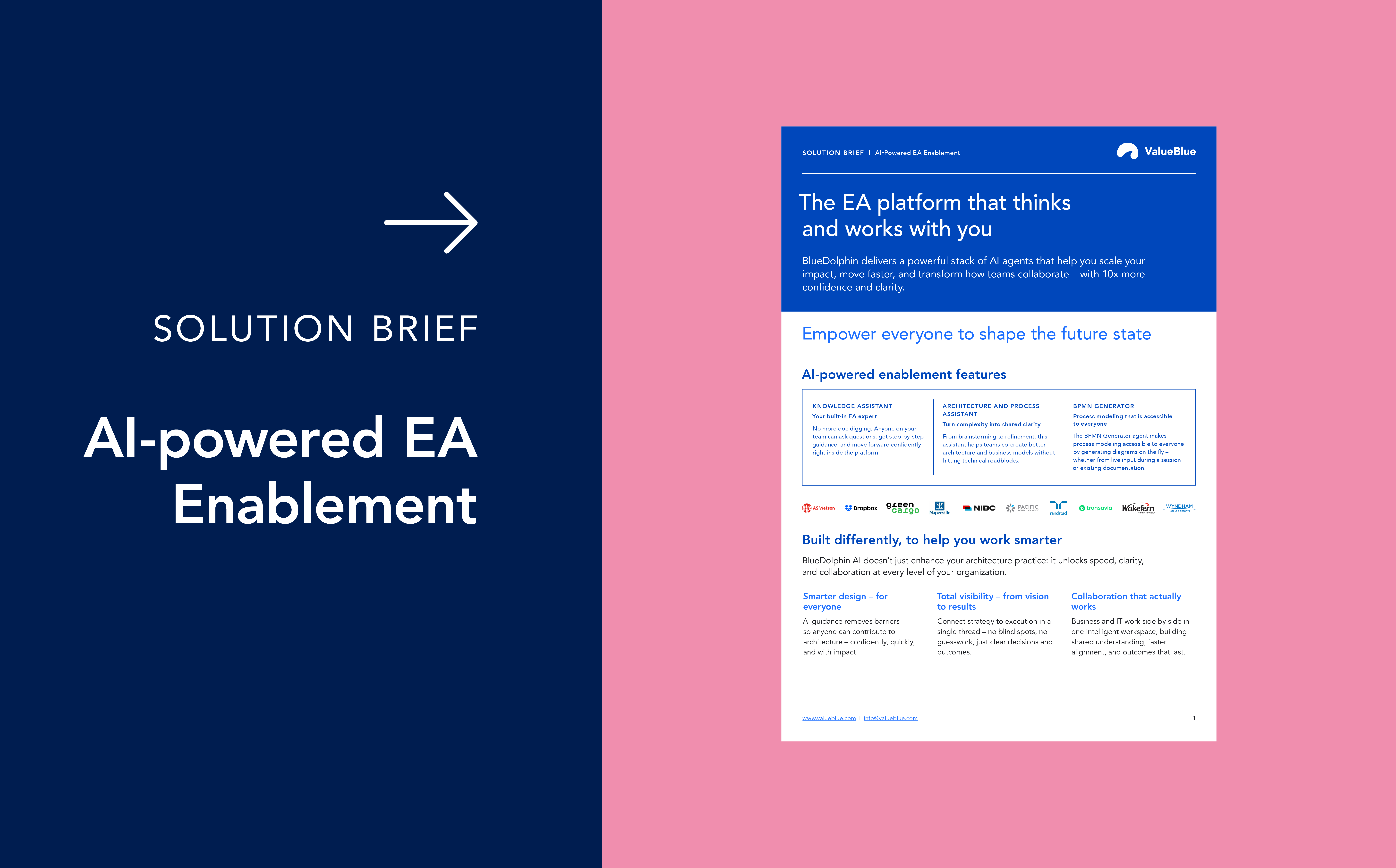
As agentic AI expands, the Enterprise Architecture function shifts from gatekeeper to orchestrator. Architecture teams provide runtime context that delivery teams and agents can query on demand. Strategy, goals, standards, and constraints become inputs to execution rather than documents that sit on a shelf.
This also turns architecture into a team sport. Product owners, engineers, and business leaders participate directly, supported by AI-driven platforms that generate designs from standards and keep models current. Static diagrams and fragmented documentation are no longer sufficient. Agents need architecture they can consume programmatically.
The real risk: A context gap
Many organizations underestimate this challenge. Agents are only as effective as the context they operate in. Without authoritative, real-time enterprise knowledge, they optimize for local efficiency and create long-term debt.
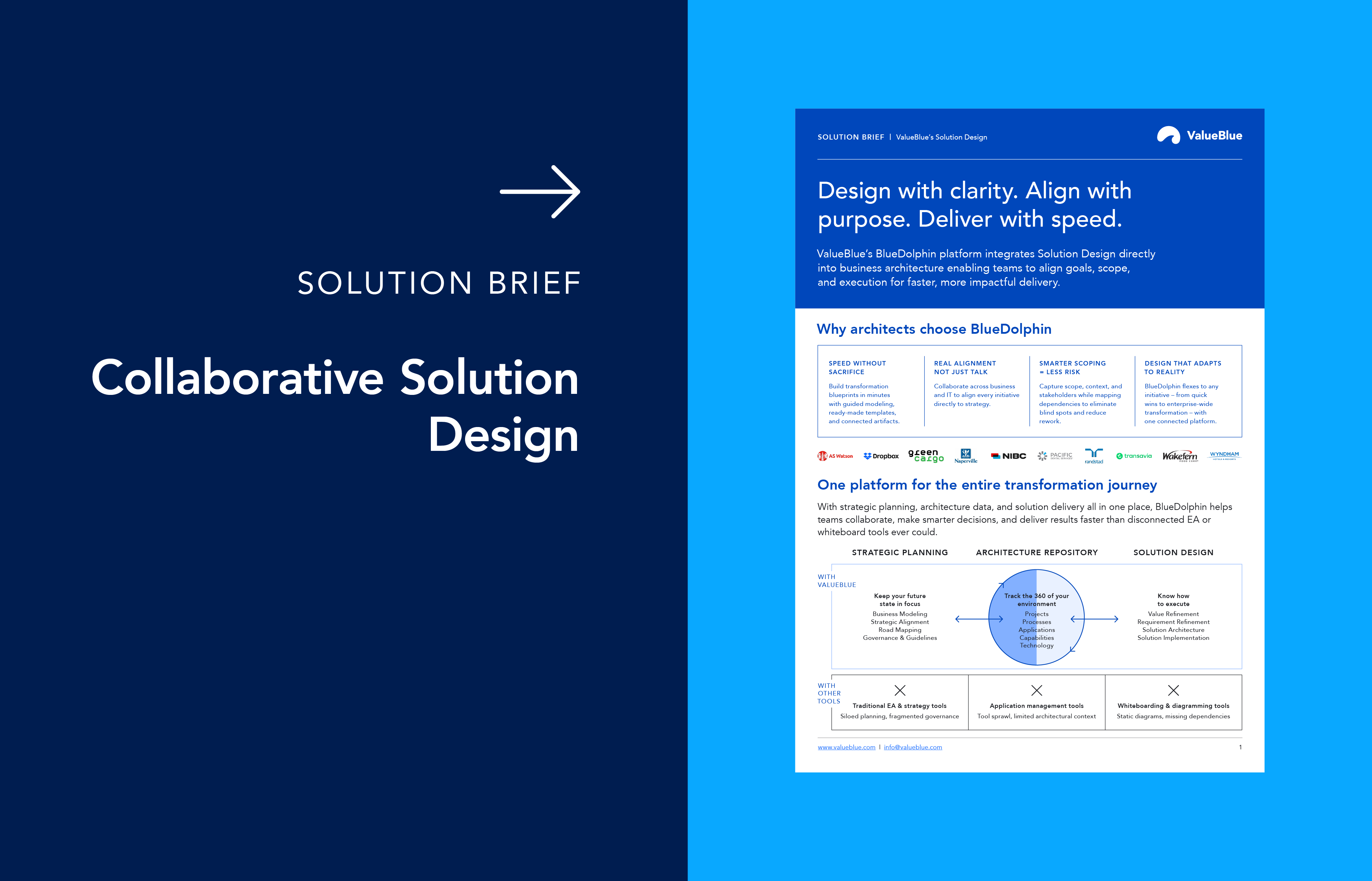
Traditional architecture tools capture inventories, but they often remain disconnected from delivery and decision-making. The result is drift. New AI-native Enterprise Architecture platforms close this gap by making architecture consumable by both humans and machines. Through modern protocols, agents can query policies instantly and act within clear boundaries.
When that happens, Enterprise Architecture becomes something new. It becomes the enterprise's operating system.
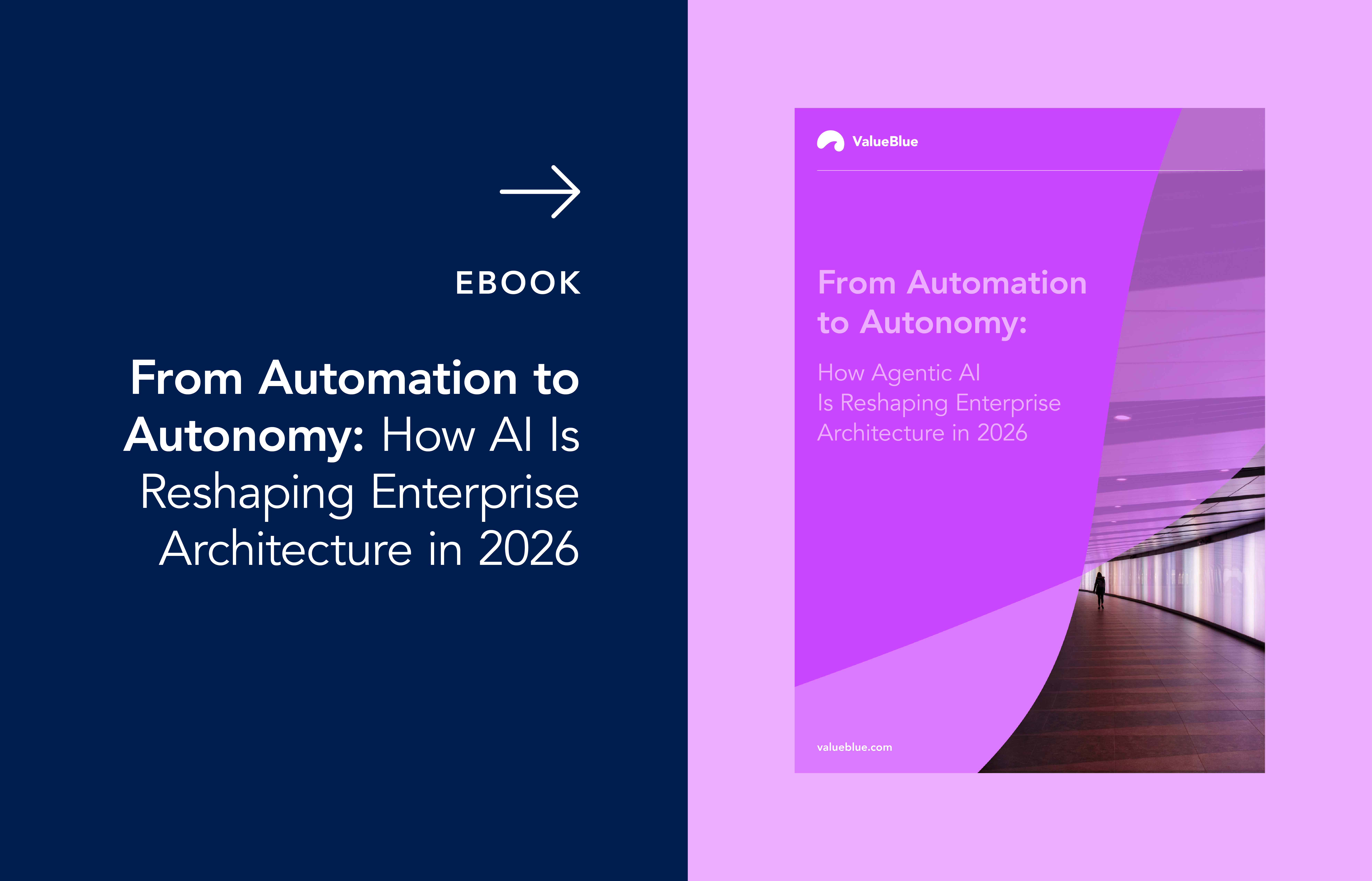
In an autonomous era, laggards accumulate chaos while leaders compound advantage. To explore what this shift really means, download the eBook "From Automation to Autonomy: How Agentic AI Is Reshaping Enterprise Architecture in 2026" and prepare your organization for what comes next.