
Intelligent Collaboration: Rethinking How Teams Transform Businesses
Digital transformation success is still rare. McKinsey’s research shows that around 70% of transformation programs fail to sustain momentum or deliver long-term results. Ambition isn’t the problem – most organizations start strong. The real breakdown happens after kick-off, when collaboration weakens and visibility disappears.
Traditional ways of working simply can’t keep up with today’s continuous change. Teams still work in silos, rely on outdated documentation, and lack shared context. What’s needed now is intelligent collaboration – connected, transparent, and data-informed teamwork that links people, processes, and information within one shared environment.
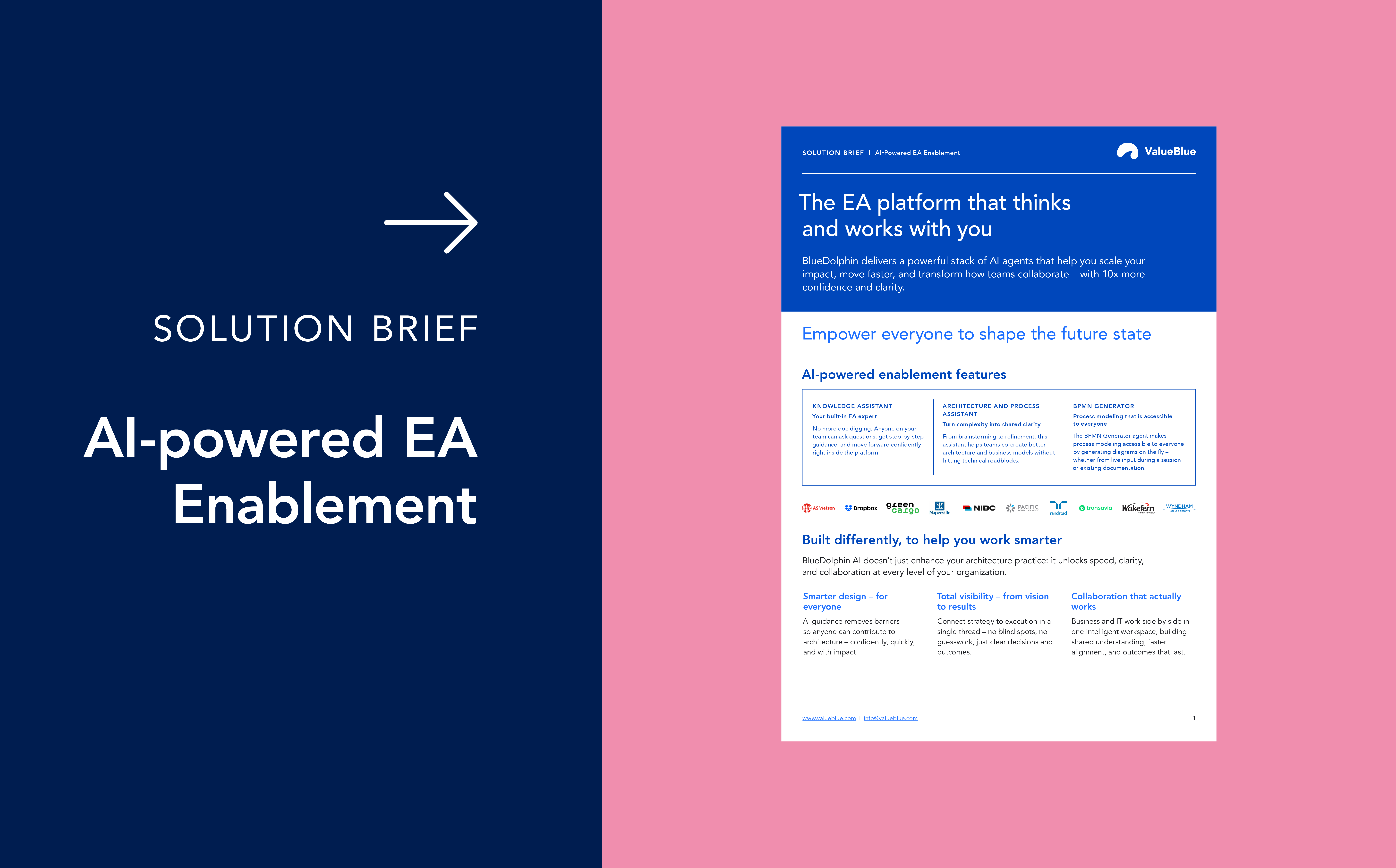
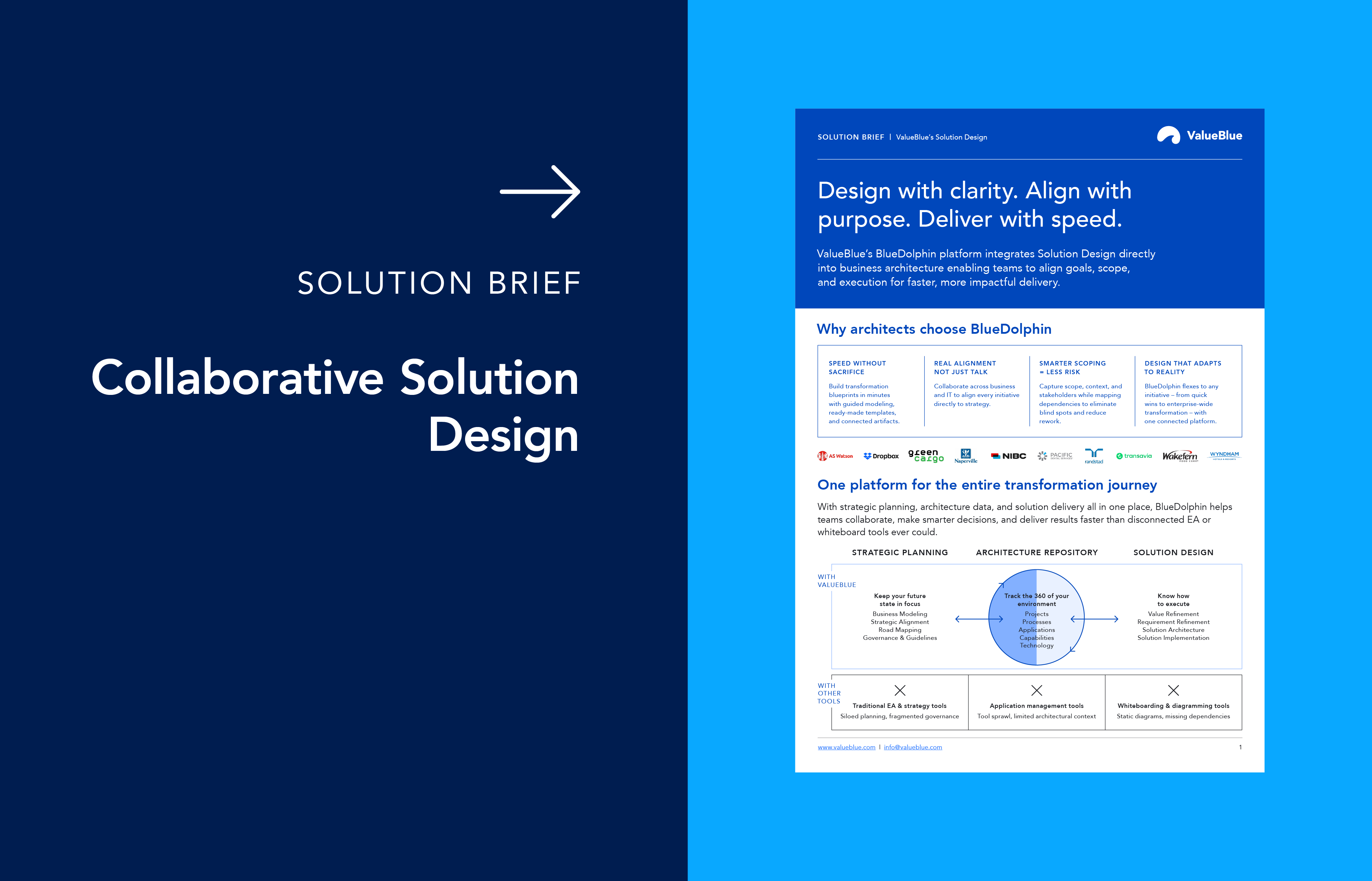
Platforms such as BlueDolphin make this approach practical by baking collaborative best practices directly into everyday workflows, helping organizations sustain change far beyond the excitement of launch.
What makes collaboration intelligent
Intelligent collaboration isn’t about adding more tools – it’s about redesigning the way teams work together so alignment, accountability, and learning happen naturally. It combines three enduring principles:
- Shared visibility – everyone works from the same context, using a single version of truth.
- Connected goals – every deliverable links directly to strategic priorities, not isolated outputs.
- Adaptive communication – feedback is embedded where work happens and recorded for future use.
With these habits in place, every conversation or update contributes to clarity instead of confusion. When collaboration becomes intelligent, teams can see how individual actions connect to enterprise goals, decisions remain traceable, and progress becomes transparent rather than anecdotal.
This smarter collaboration model creates agility – the ability for teams to pivot as the landscape changes without resetting the entire transformation. Ultimately, it’s not about over-communicating; it’s about creating connected rhythms of shared insight that keep organizations moving forward together.
Common collaboration pitfalls and how to fix them
Even strong teams fall into predictable traps that limit long-term success. Intelligent collaboration reframes these challenges with smarter, scalable practices.
1. Collaboration falls apart after kick-off
Teams start aligned but soon lose connection. Meetings turn transactional, documentation becomes outdated, and context fragments across chats and emails.
Best practice: Anchor collaboration in a shared, visual environment where every team member can contribute, annotate, and track progress. Transparency should be continuous – not limited to steering meetings. Team members can see changes, decisions, and dependencies unfold in real time, maintaining visibility long after kick-off.
2. Goals are misaligned and often invisible
Executives think strategically while project teams focus on deliverables. Strategy rarely translates into contextual guidance for operational work.
Best practice: Map every initiative directly to strategic goals and business capabilities. When teams see how their work connects to measurable outcomes, motivation and accountability improve. This clarity eliminates blind spots between departments and helps ensure IT and business remain synchronized throughout delivery.
3. Decisions aren’t documented, revisited, or learned from
Teams frequently ask: “Why did we approve that?” because critical decisions are undocumented or hidden in chat tools. Institutional memory erodes, forcing repeated mistakes.
Best practice: Treat decision records as active knowledge assets. Capture discussions, rationales, and results directly in the same workspace where design artifacts live, ensuring they remain searchable and reusable. This transforms governance into an iterative learning engine rather than a compliance afterthought.
4. Teams fail to manage risk collaboratively
Risk reviews often happen late or separately from execution. Teams identify issues only after delivery, making remediation slow and costly.
Best practice: Integrate risk thinking into daily collaboration rather than relegating it to checklists. Using shared risk views tied back to data, processes, and systems keeps risk visible early, enabling informed trade-offs that balance innovation with stability.
5. Knowledge doesn’t evolve with the organization
Documents and diagrams age quickly after projects close. Future teams begin work without understanding what already exists or why.
Best practice: Build collaboration around living documentation. Encourage regular updates, comments, and co-authoring so knowledge stays current and interconnected. This ongoing refresh prevents architectural drift and makes it easy for teams to build on each other’s progress instead of recreating it.
Building smarter habits for resilient transformation
The transition to intelligent collaboration doesn’t depend on adopting new processes but on reinforcing the right behaviors. Start small and practical:
- Make shared visibility part of every project kick-off.
- Keep strategy and execution connected through architecture models.
- Replace episodic reviews with continuous feedback and open annotation.
- Embed accountability by linking outcomes to ownership.
- Celebrate transparency – turn communication into a tangible product, not a byproduct.
When collaboration becomes intelligent, the organization evolves with its work. Each decision strengthens alignment, each update enriches knowledge, and each improvement builds momentum. And our digital transformation tool, BlueDolphin, supports these smarter rhythms of collaboration, turning transformation into a sustained capability. Want to learn more? Contact us today for a free demo.